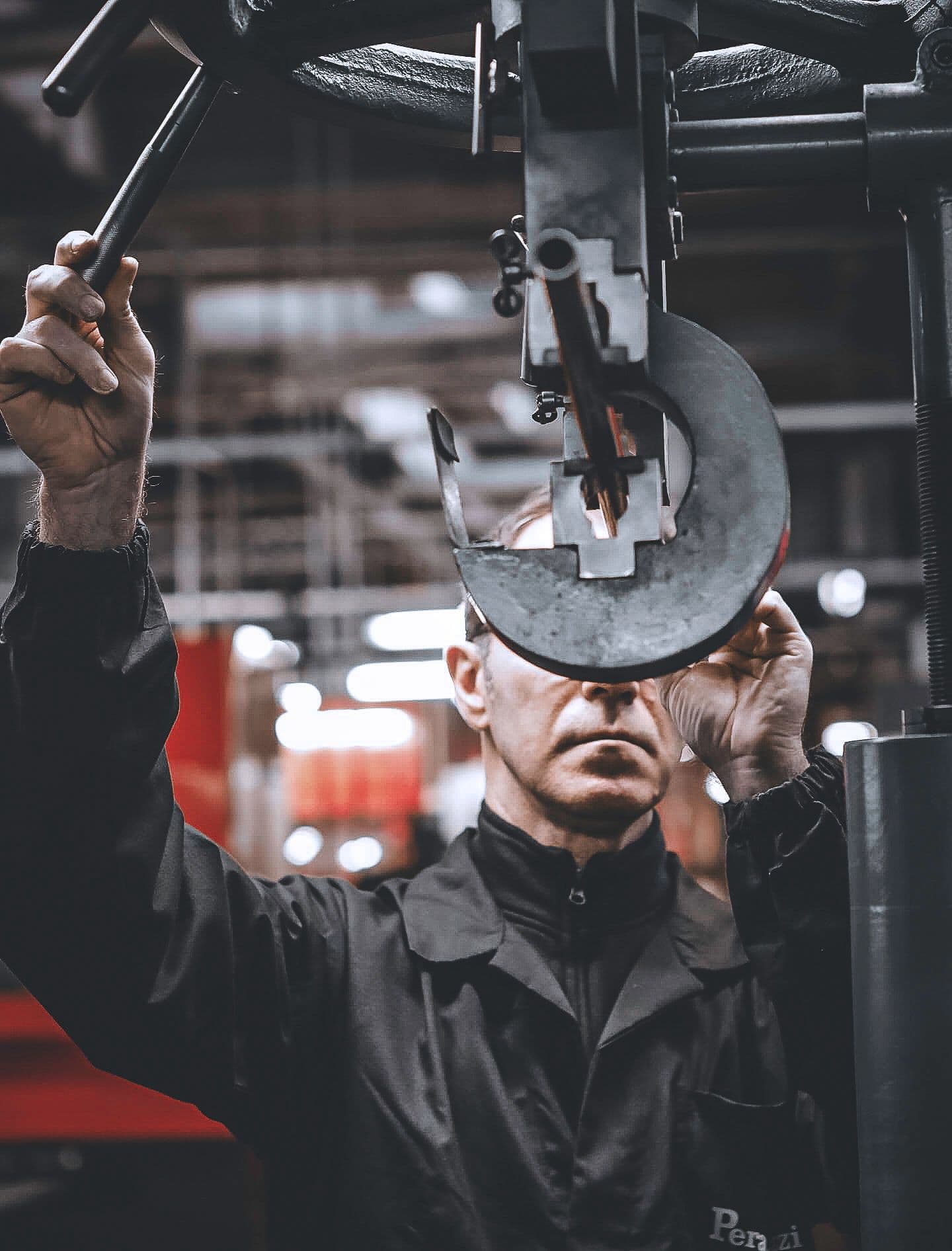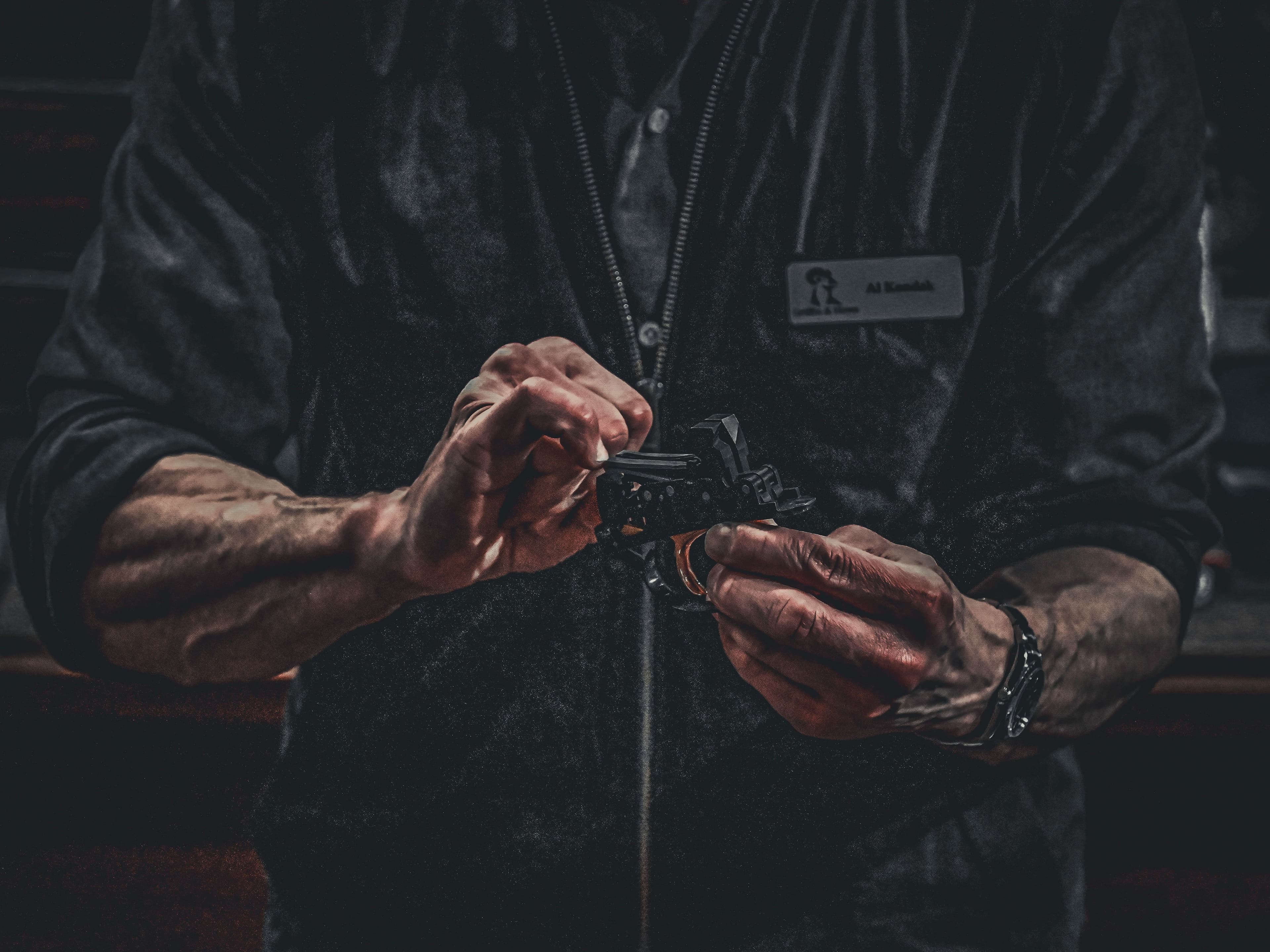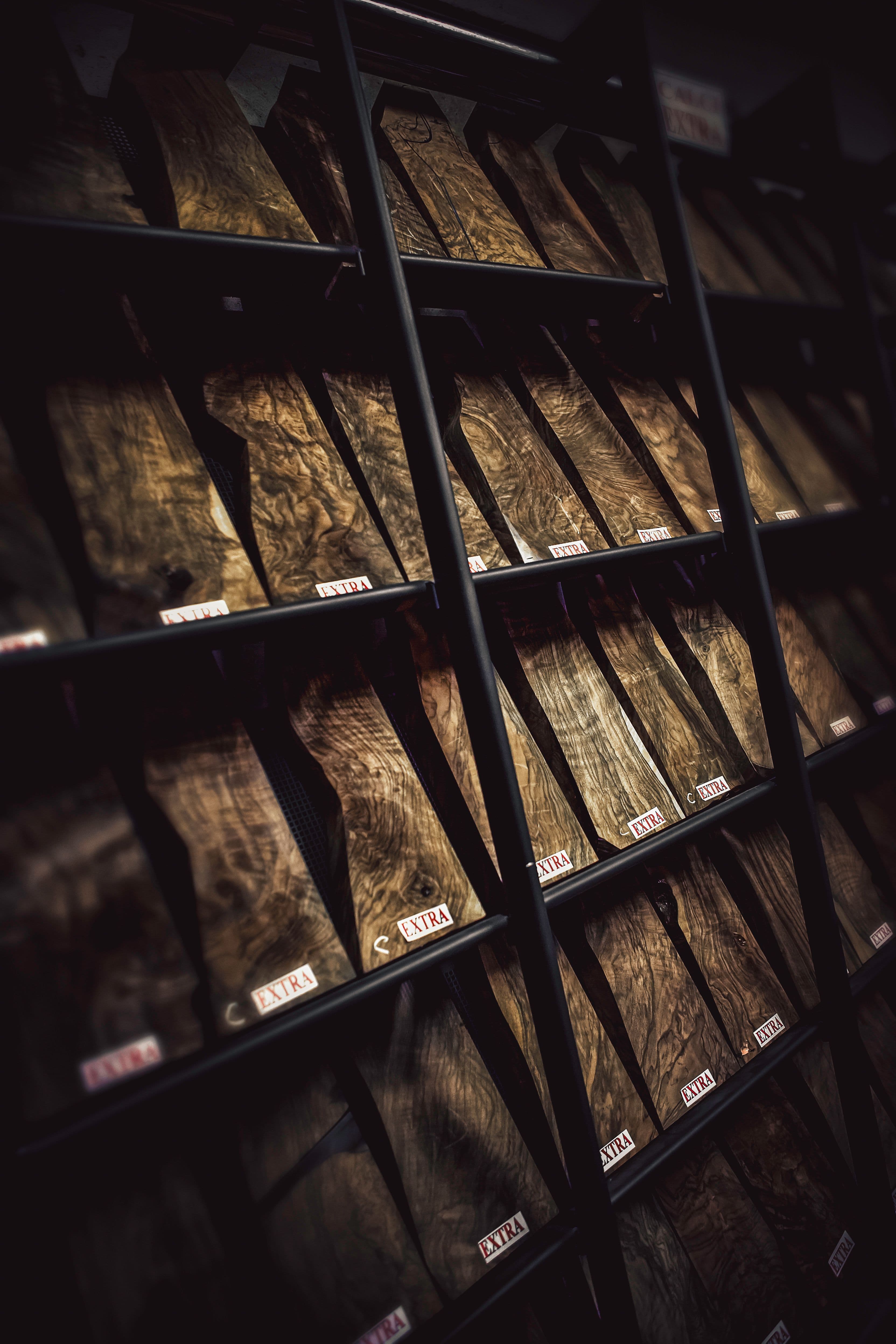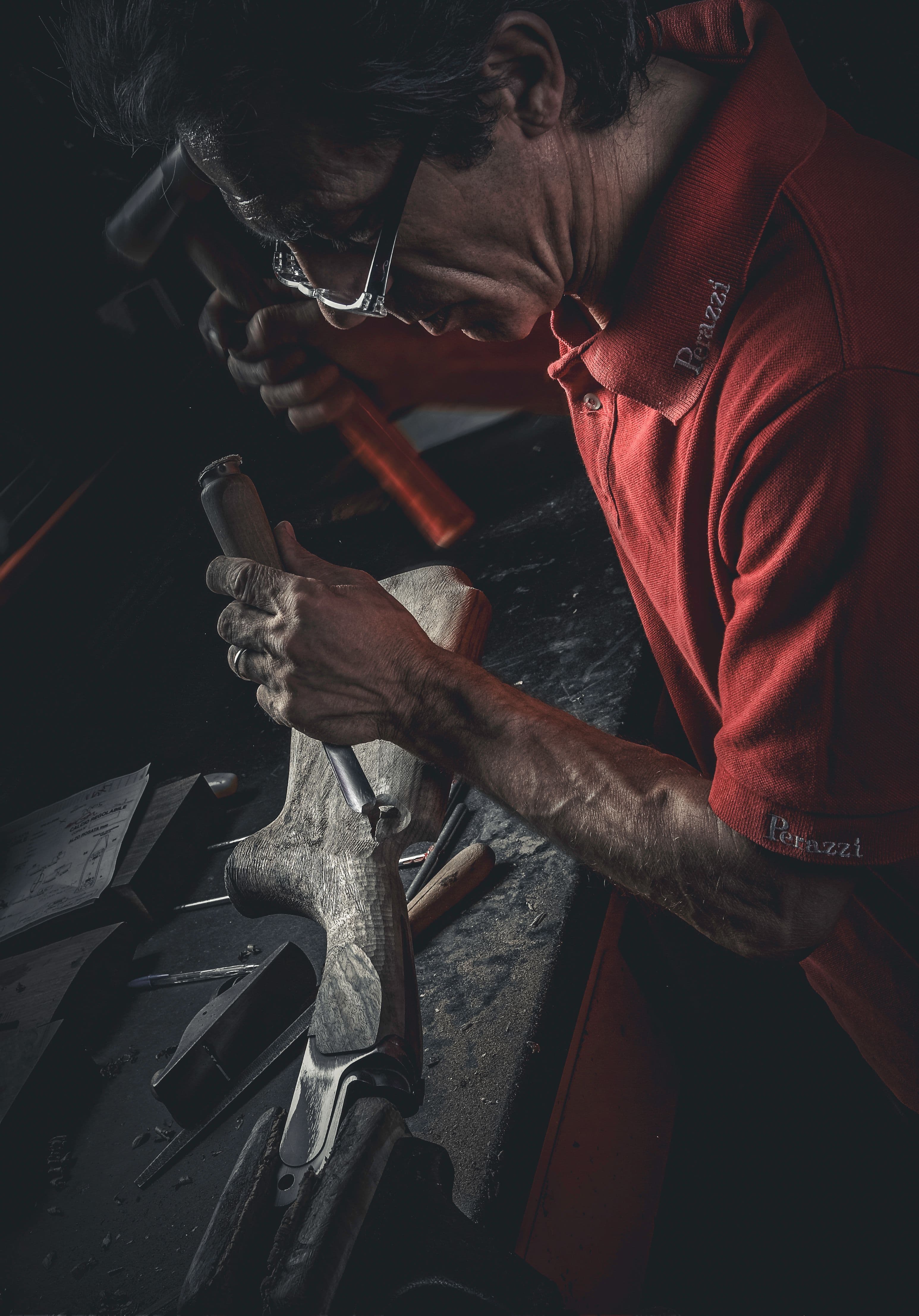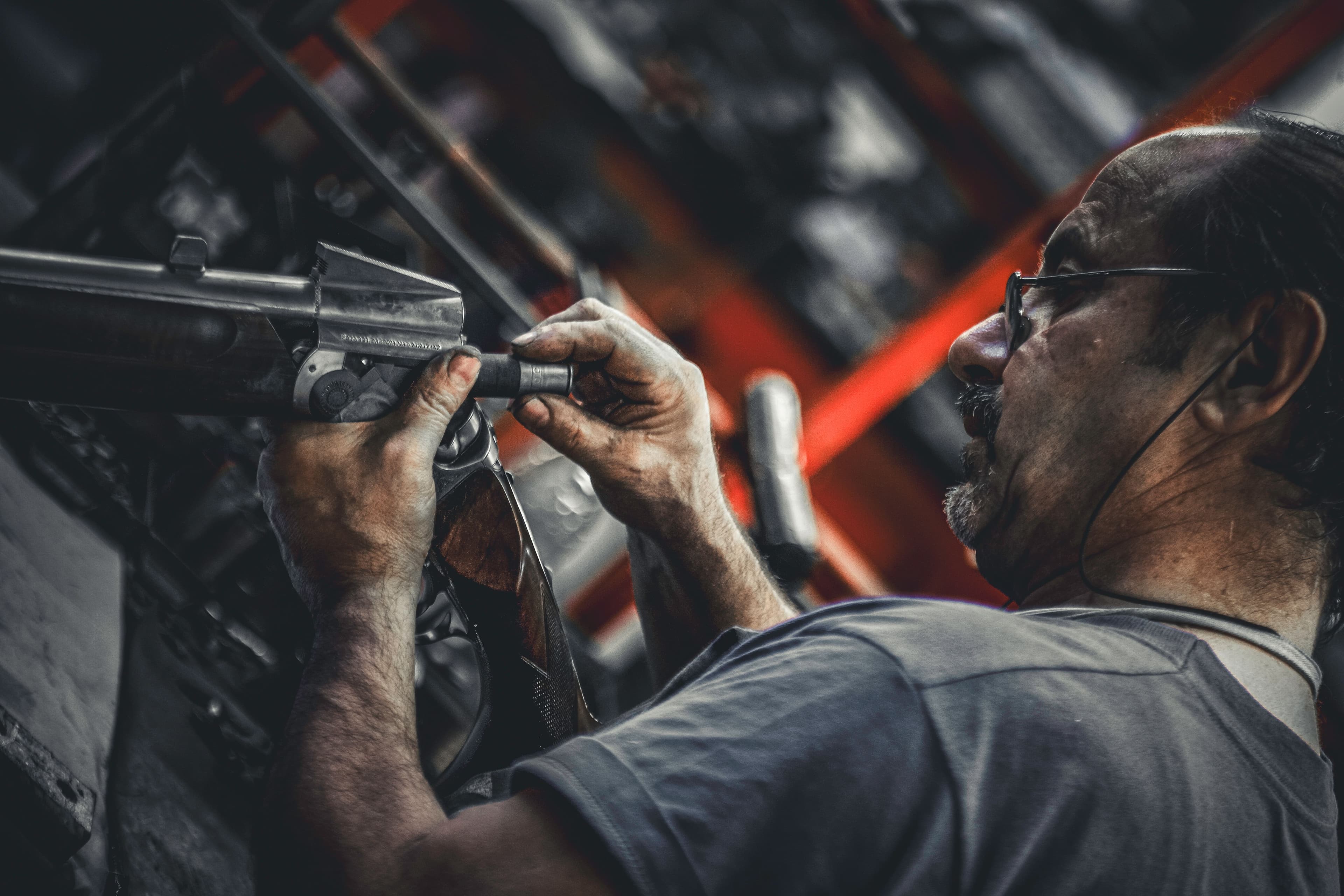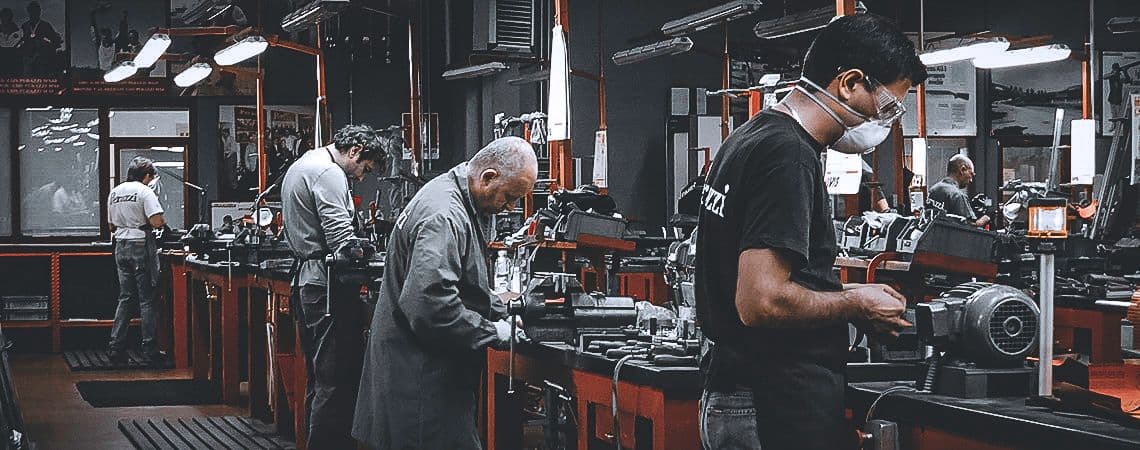
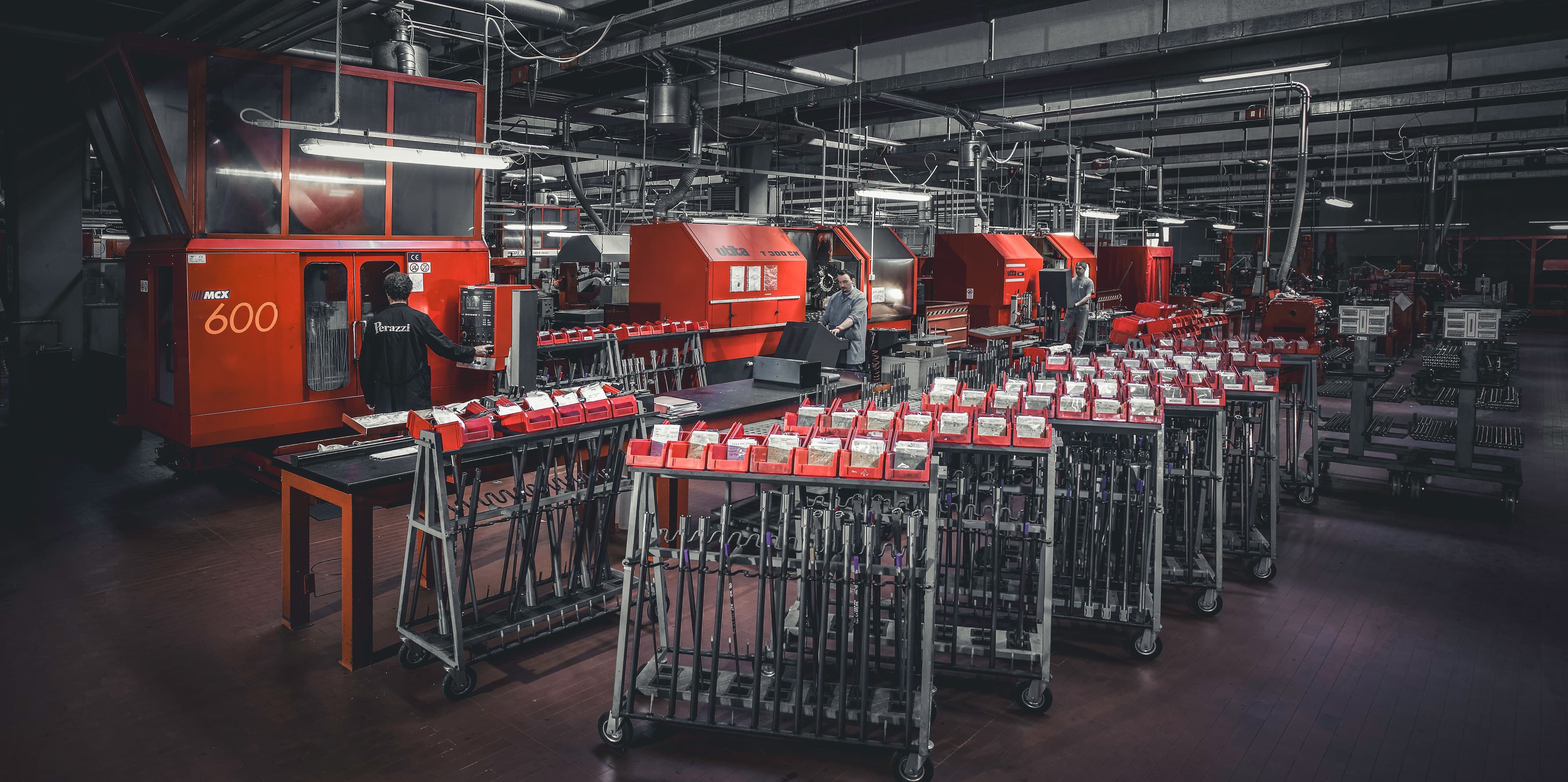
He lowers the forged block into position and watches the numbers settle on the screen, but his attention is somewhere else entirely. The coordinates are just a language the machine understands; what matters to him is how this steel will sound when it closes for the first time in another room, in another month, in someone else’s hands. The cutter starts its path and he listens, not to the noise in general, but to the faint change in pitch when it enters the bearing surfaces that no photograph will ever show. Those planes will decide whether the gun shuts like a vault or has to be coaxed into obedience at every fitting bench that follows. He sees the inner walls forming — a geometry of trust that will be felt, not seen — and adjusts nothing yet, simply memorizes how this piece answers the tool.
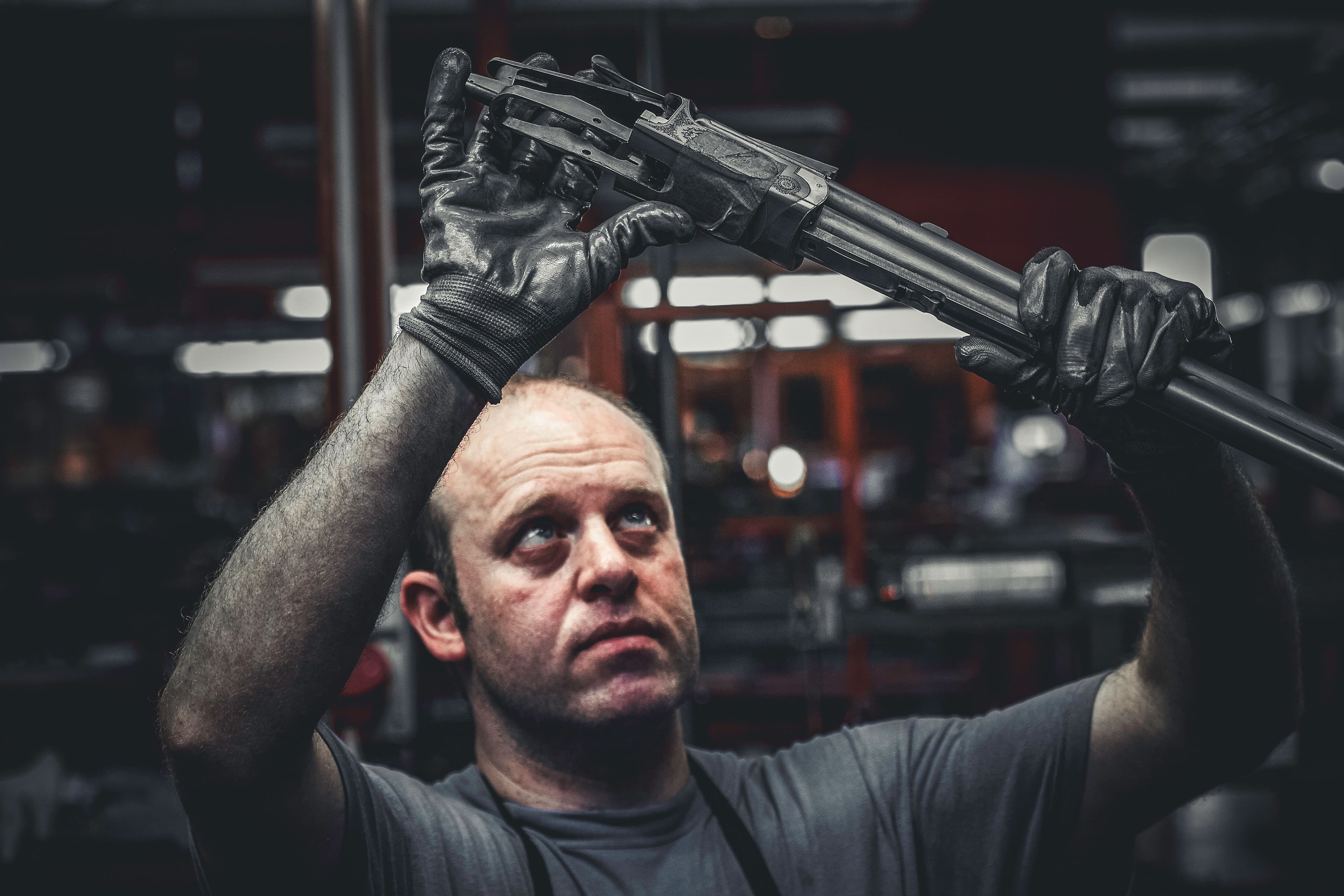
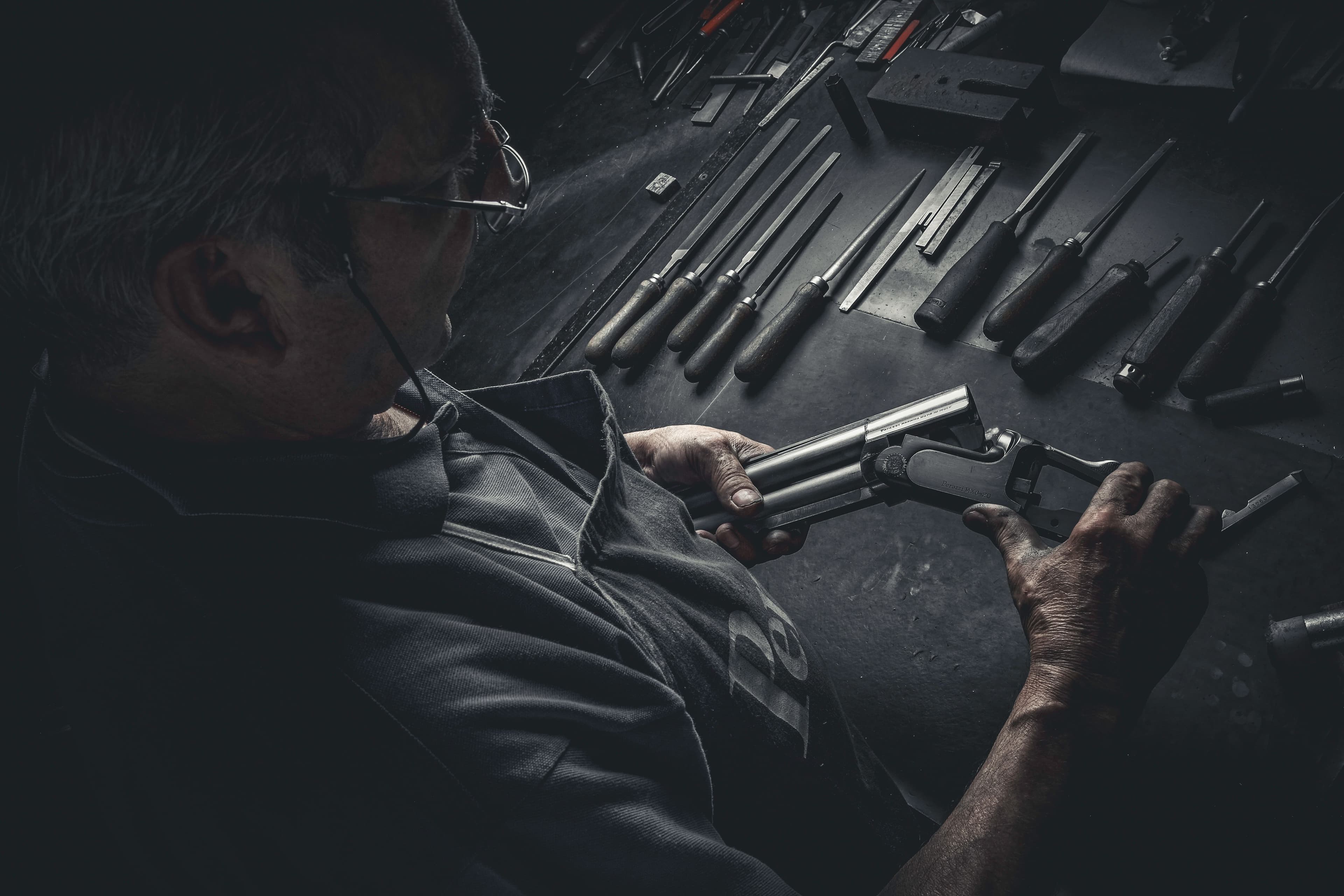
There is a point in the program where the numbers would be satisfied long before he is. The machine could carry the cuts all the way to their final dimension, erase the last fraction of material, and deliver a mathematically perfect action that leaves no room for another hand to speak. Instead, he has written the pause into the code: a deliberate withholding. The bridges, hook seats, and flats arrive to their limits and then stop, a breath short of completion. To anyone else, it looks unfinished. To him, it is an invitation — space reserved for the fitter who will blue their fingers bringing metal to metal, closing that last invisible distance by feel alone. He checks those half-perfected surfaces with a light and a stone, confirming that the excess is even, respectful, and honest. The excellence here is not in doing everything; it is in knowing precisely where to step aside.
Sometimes the readout says the part is good and the gauges agree, but something in the resonance is wrong. A slightly harsher note as the cutter passes through a locking surface, a vibration in the fixture that does not belong to this model, this heat, this forging. It would pass inspection. Nobody downstream could accuse him of failure. The fitter would simply work harder, curse quietly, lose an hour bringing resistance into alignment with expectation. Instead, he stops the cycle, pulls the part, and inks the contact patches that no customer will ever see. A barely perceptible twist in the forging has translated into a bias in the cut; not dangerous, not visible, just… unworthy. He sends the piece back rather than forward and restarts the sequence, knowing there will be no line on any document that says, “First action scrapped by ear.”
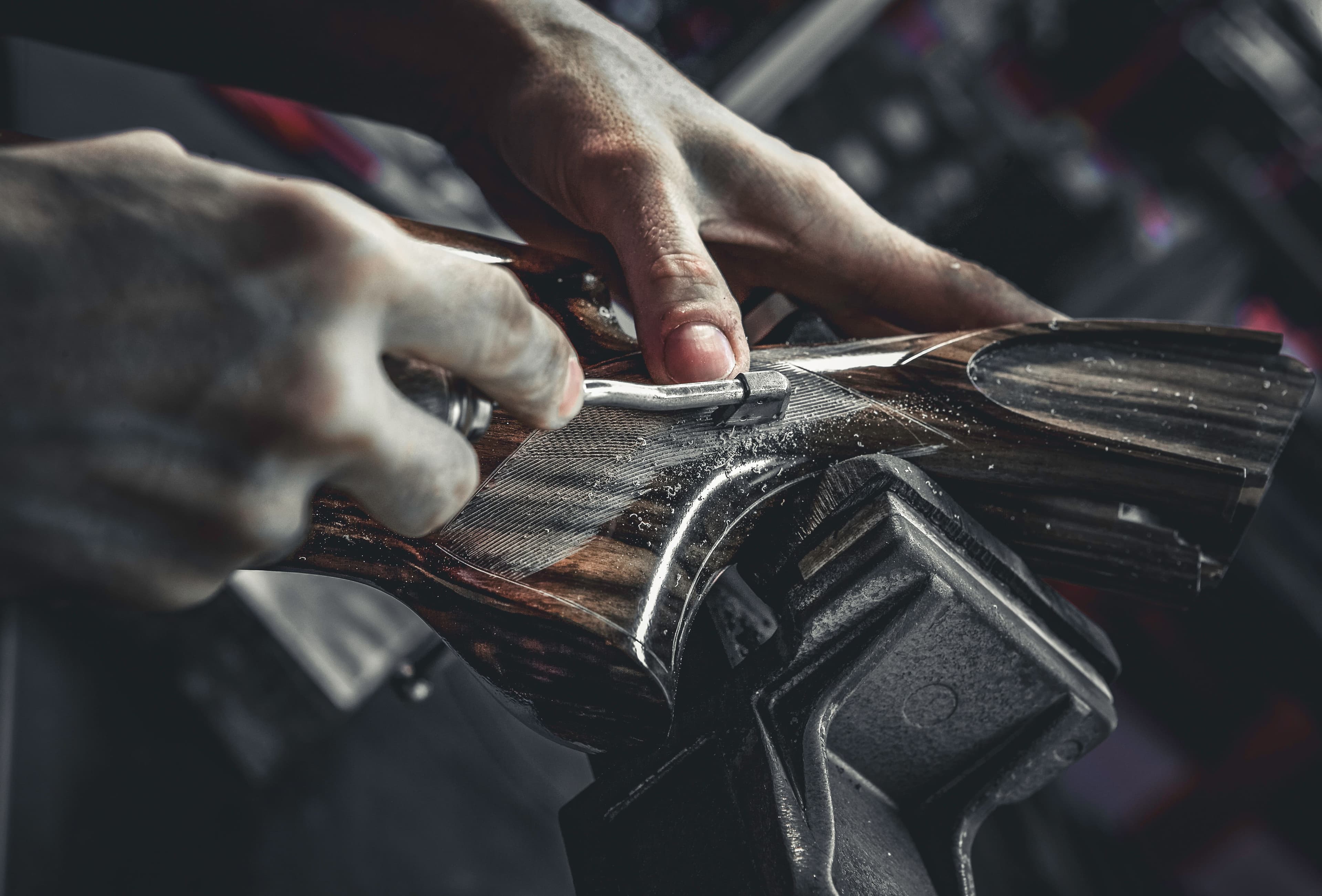
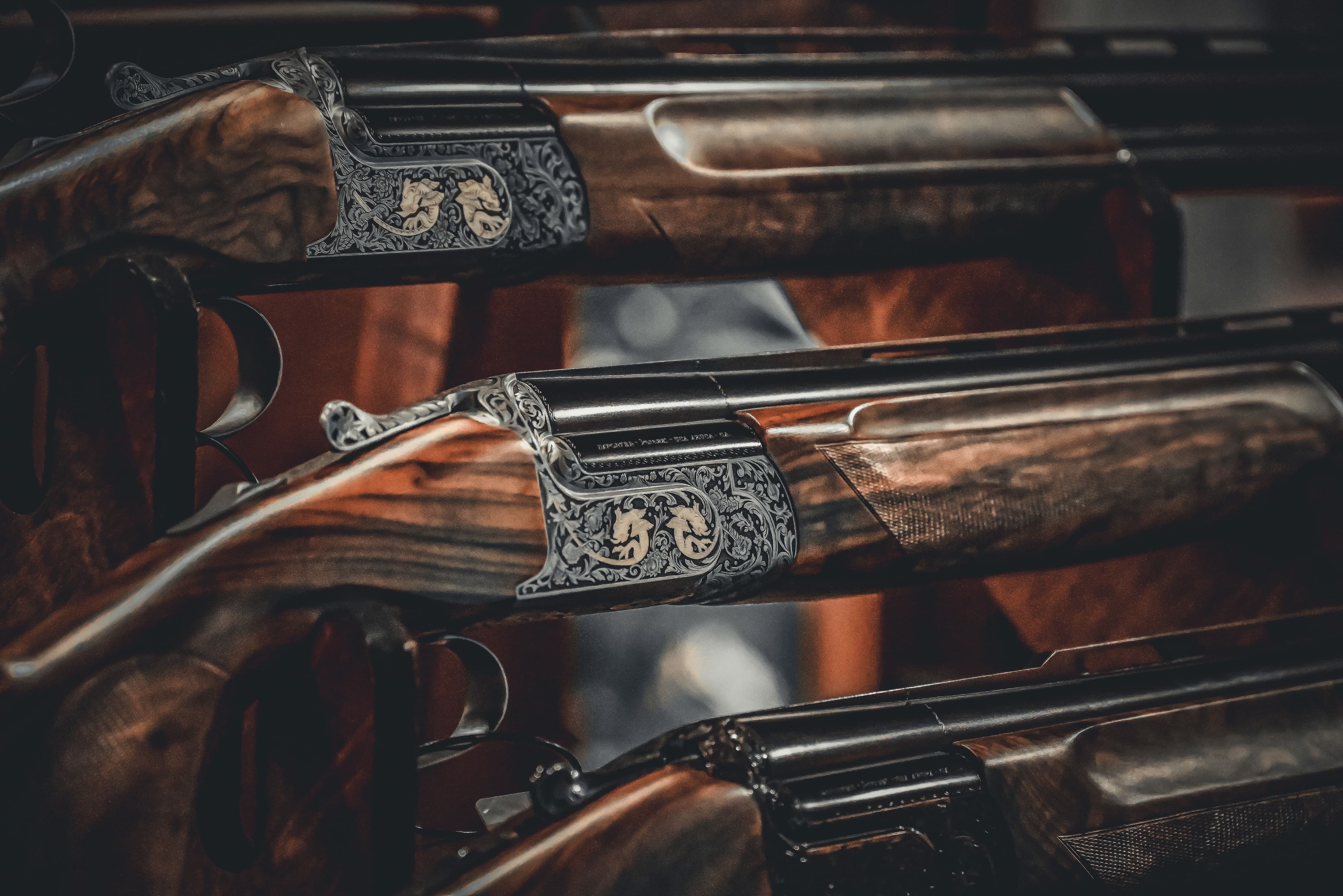
By the time the action leaves his station it is still “white,” untouched by finish, engraving, or wood, yet it already carries a future on its surfaces. The lock-up has been imagined under pressure, the receiver walls shaped to catch light cleanly when someone steps into a bright layout years from now. Inside, tiny compensations are hidden in the steel — angles and depths tuned for heat treatment, for recoil that has not yet happened, for the quiet wearing-in of a gun that will be opened and closed tens of thousands of times by someone who will never know why it feels so inevitable. He wipes the last traces of coolant away, runs a thumb once along an edge that will disappear under another artisan’s file, and sets the action on the cart. It rolls away toward the next bench already carrying his judgment inside it, anonymous and permanent, waiting to be met halfway by the hands that follow.